Sepideh Ilsley

BIOGRAPHY
Sepideh Ilsley is a Stockholm-based artist working across painting, sculpture, and digital media. Born in Shiraz, Iran, she relocated to Sweden as a child during the Iran–Iraq war. That experience of displacement — and the life built between cultures, visual languages, and systems of perception — forms the underlying architecture of her practice.
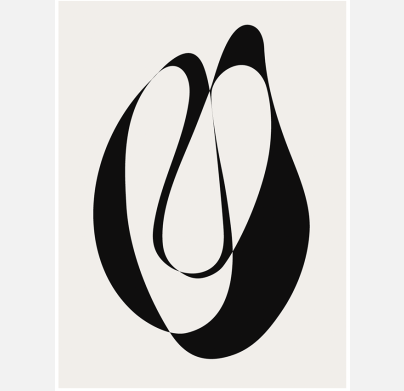
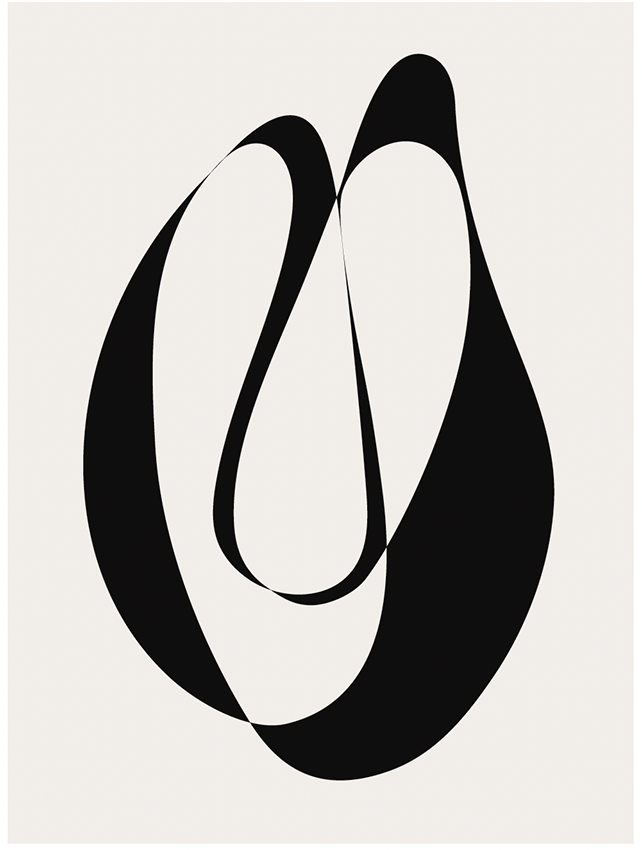
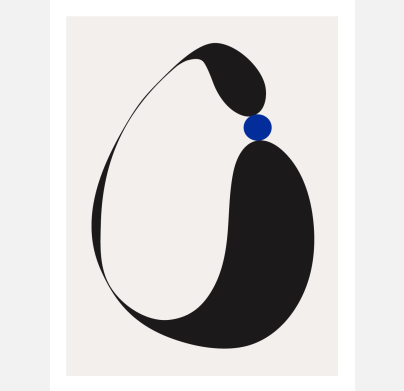
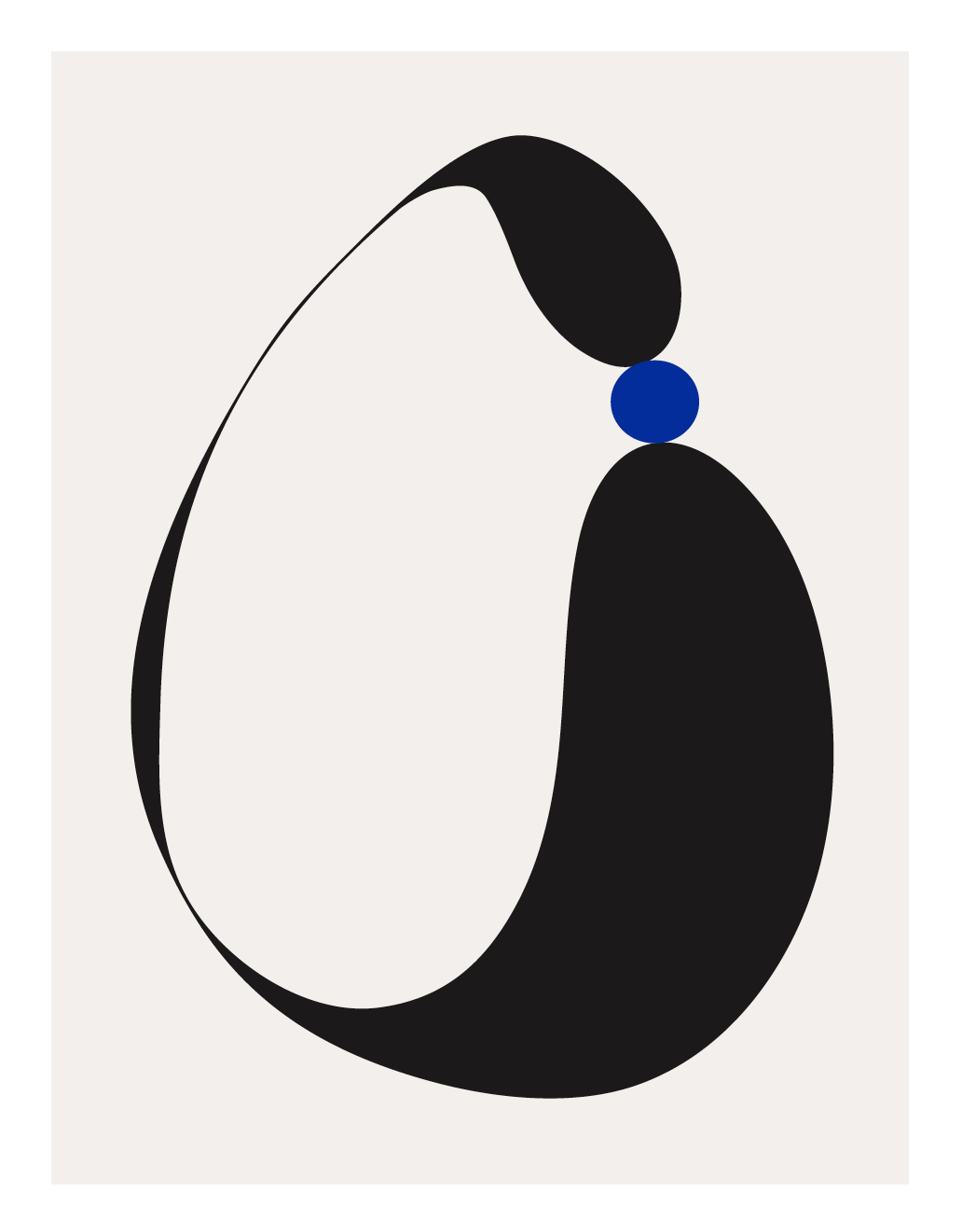
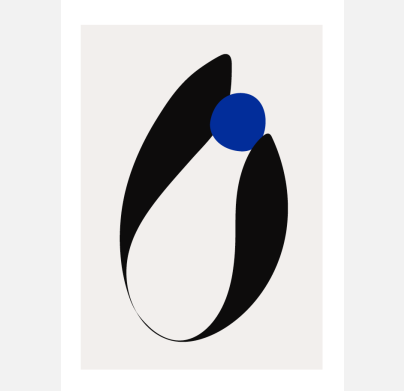
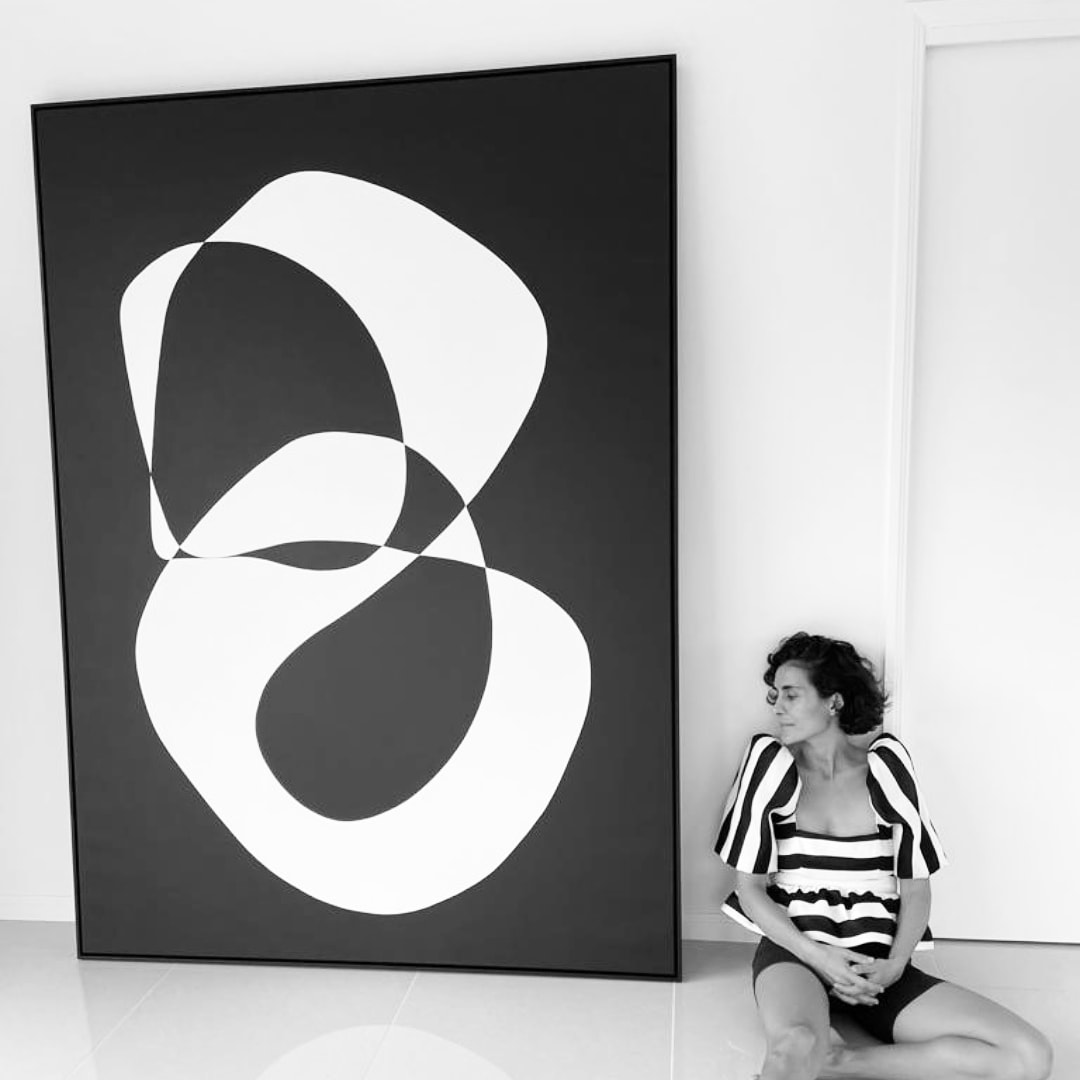
Working primarily in large-scale abstraction, Ilsley creates works that are physically commanding and deeply material. Her paintings are not representations of objects so much as presences in themselves — forms that occupy space with weight, rhythm, and psychological intensity. Across painting, sculpture, and digital works, her practice remains bound by an ongoing investigation into form, volume, and surface.
Her sensibility has been shaped by an engagement with monumentality and sculptural presence, drawing inspiration from artists such as Henry Moore and Fernando Botero. These influences are carried into her paintings, where expansive forms appear simultaneously constructed and organic, balancing softness with mass.
Ilsley’s work exists at the intersection of several ongoing conversations within contemporary art: the role of the handmade in a digital age; the body of the painter as both instrument and subject; and the negotiation of cultural inheritance within diasporic practice. Persian calligraphic traditions and Scandinavian minimalism coexist fluidly within her visual language, informing the rhythm, spatial logic, and tension of her compositions.
Her work is held in notable private and public collections across Europe, the Gulf, Asia, and the Americas.
TECHNIQUE
After years working as an art director, Ilsley turned consciously toward painting as a way of reclaiming the physical and tactile in an increasingly frictionless digital world. For her, painting became a means of creating objects that exist materially — works with presence, resistance, and permanence.
Each work begins in the subconscious and develops through an extended process of digital drawing and reduction. Working intuitively and without fixed preconception, she repeatedly strips images back until only the essential form remains — the point at which the image demands to be painted.
She paints on the floor, approaching the canvas from multiple sides and angles, physically moving within the space of the composition itself. The resulting surfaces are layered, dense, and highly tactile, occupying a territory between painting and relief. Her process balances instinct and precision, combining gestural movement with carefully considered structure.
For Ilsley, Persian calligraphic traditions and Scandinavian minimalism are not opposing forces to reconcile, but parallel visual grammars that naturally inform the weight, rhythm, and spatial logic of her work. The tension between control and spontaneity, reduction and sensuality, is embedded within every surface she creates.